
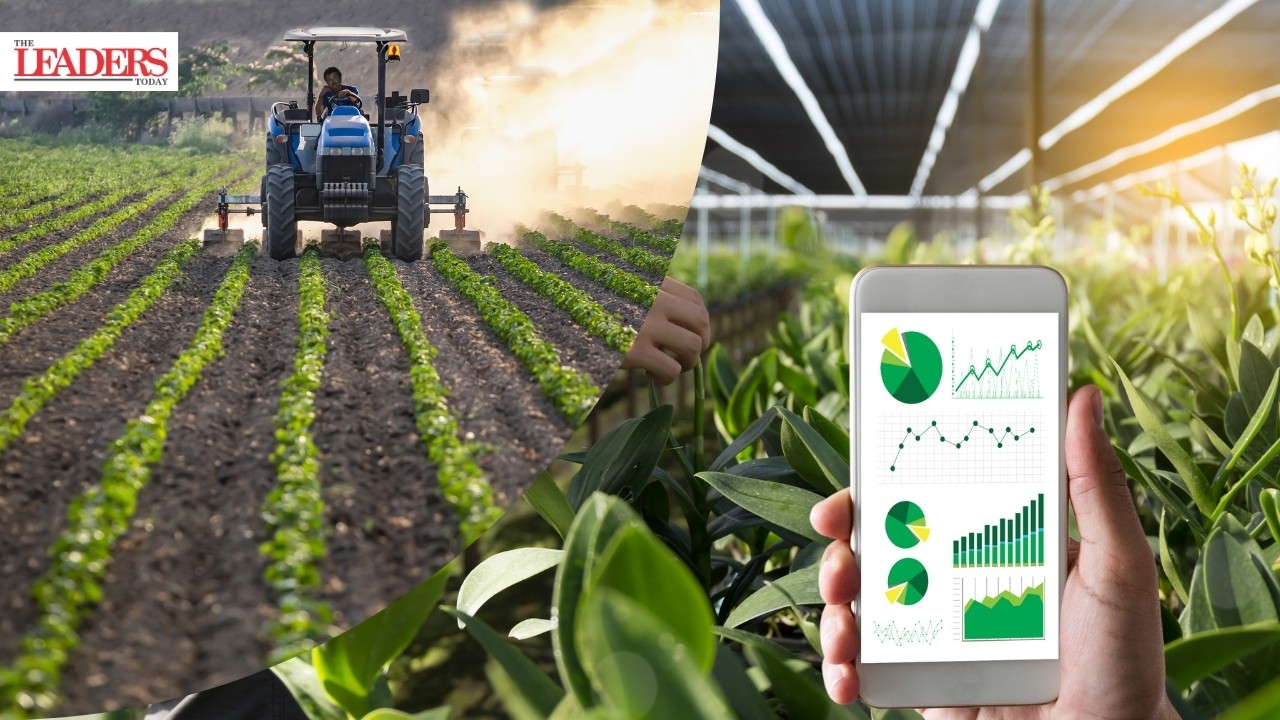
🌱Leading Regenerative AgriTech Companies Worth Keeping an Eye on in 2025
By Priyanka Vaidya
With ecological responsibility, soil wellness, and climate-forward technology at their core, these are among the most significant AgriTech and organic farming companies shaping the landscape in 2025.
-
Rizoma Agro, Brazil
It is a trailblazing regenerative agriculture firm dedicated to revolutionizing traditional agricultural methods with comprehensive, environmentally conscious methods. To improve soil health, biodiversity, and carbon sequestration across a variety of crops, including maize, soy, and fruits, it employs rotational cultivation, agricultural forestry, and silvopastoral systems.
Rizoma Agro combines plants, animals, and vegetation in a synergistic ecosystem that revitalizes degraded farmland, boosts resilience to high temperatures, and reduces reliance on synthetic inputs. Its concept is a scalable substitute for industrial monocultures since it encourages closed-loop nutrient cycles, replenishes microbial life, and greatly increases the amount of organic matter in the soil.
In addition to farming, Rizoma backs research collaborations, data monitoring, and farmer training to demonstrate the financial and ecological advantages of regenerative systems. In addition to helping to reduce climate change and create a sustainable food supply in Brazil and abroad, its concept has drawn attention from all over the world for making carbon farming a profitable commercial venture.
-
Underground Agriculture, USA
Creating specialized equipment for no-till agriculture in order to advance regenerative farming. Dual-seeders and roller-crimpers, two of its key innovations, allow farmers to plant new seeds and terminate cover crops in just one, soil-friendly pass. Because they prevent soil disturbance, protect microbial populations, and drastically lower soil carbon release, these techniques are crucial for sustaining regenerative practices.
Underground agriculture contributes to the improvement of soil biological content, retention of water and biodiversity by promoting cover crops and continuous ground cover. In order to balance ecological restoration with economic efficiency, the company is crucial in lowering the barrier to entry and increasing the viability of regenerative farming practices for both big and small-scale farmers.
With the help of its equipment, farmers can scale environmentally friendly systems without compromising long-term soil health or output.
-
Everflux, USA
Startup in organic farming with the goal of assisting farmers in moving away from artificial sources without compromising output. The company sells soil amendments based on biochar that are intended to improve and restore soil health, as well as cutting-edge microbial bio-fertilizer blends like Bioflux.
Together, these products enhance soil structure, boost nutrient availability, and encourage the growth of helpful microorganisms—all essential elements in establishing resilience and fertility over the long run. When maintaining high yields is crucial during the crucial transition period from traditional to regenerative farming, Everflux’s solutions are extremely beneficial.
In line with the objectives of climate-smart agriculture, Everflux promotes sustainable output by lowering reliance on chemical-based fertilizers and enhancing carbon sequestration. The business’s science-based strategy increases ecological impact and profitability while assisting farmers in implementing regenerative methods on a large scale.
-
Husk, UK
To improve soil health, especially for smallholder farms, a UK-based green farming firm turns agricultural waste into biochar. Pyrolysis involves produces bio charcoal, a stable form of carbon that enhances soil diversity of bacteria, retaining water, and nutrient availability. Husk tackles problems like soil erosion and water scarcity while promoting a circular economy by turning agricultural waste into a useful soil supplement. By retaining carbon in the soil for centuries, biochar also serves as an ongoing carbon sink, reducing the effects of climate change.
Husk’s low-cost, scalable manufacturing approach is made to be affordable for farmers with limited resources, enabling them to improve crop productivity and regenerate their land. Husk is promoting the adoption of sustainable, climate-resilient farming methods in developing nations and beyond through collaborations and education.
-
TodaVida (Germany/Brazil)
A regenerative agriculture firm located in Germany and Brazil collaborates with Brazilian small farms to deploy agroforestry systems that improve production and repair ecosystems. TodaVida helps farmers raise organic yields, boost biodiversity, and regenerate soil without using artificial inputs by integrating trees, crops, and occasionally cattle on the same piece of land.
These systems are perfect for creating climate resilience because they improve soil fertility, maintain microclimates, and encourage carbon sequestration. TodaVida empowers smallholders to embrace sustainable, revenue-generating models by offering technical assistance, training, and long-term advice customized to each farm’s need.
In addition to promoting natural restoration, their strategy gives rural families access to a variety of income sources. By means of agroforestry, TodaVida is cultivating a future in which agriculture contributes to the natural environment rather than diminishes it, generating enduring benefits for both humans and the planet.