
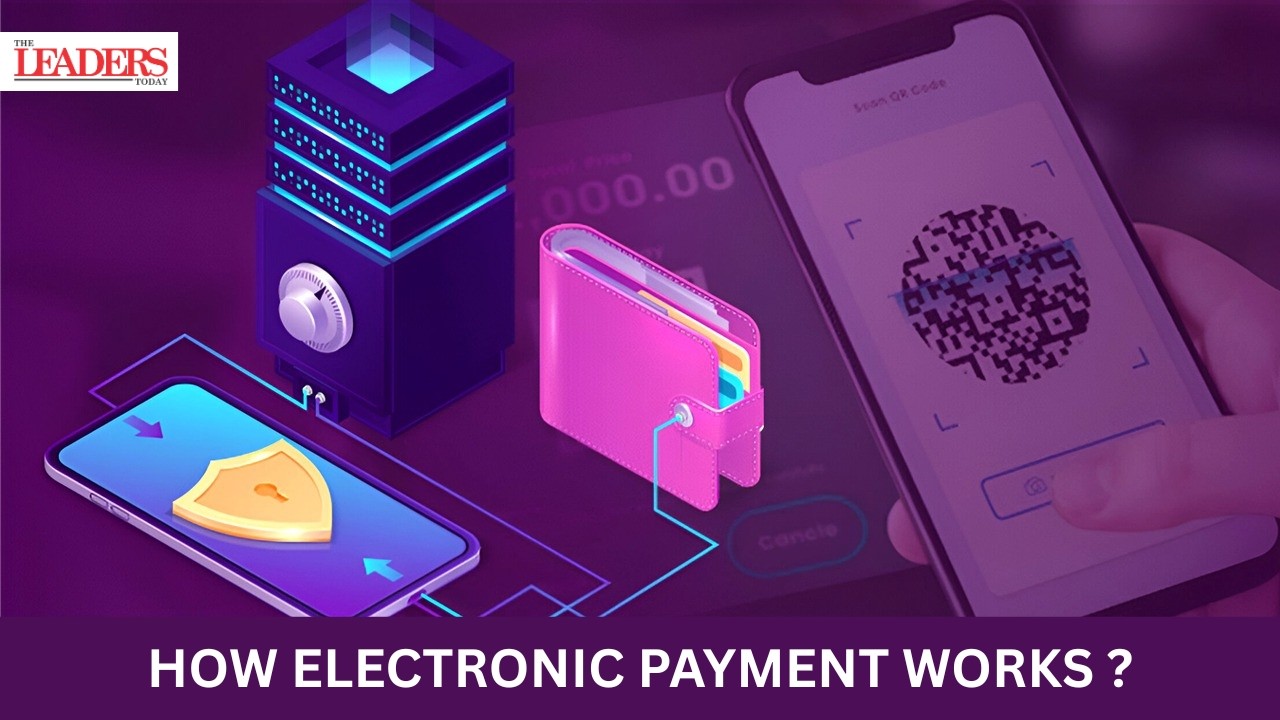
Electronic Payment Methods: Overview, Types, and Key Trends
by Priyanka Vaidya
The core of present-day commerce has shifted to electronic payment mechanisms, which enable quick, safe, and easy transactions everywhere in the world. From grocery shopping to digital service memberships, e-payments provide a smooth substitute for conventional cash-based transactions.
Electronic Payment Methods: What Are They?
Electronic payment methods, also known as e-payments, are systems that eliminate the need for paper checks or actual cash by enabling users to send money digitally via electronic devices like smartphones, desktops, or payment systems.
Multiple Kinds of Electronic Payment Systems
- Payments using Credit and Debit Cards
The most commonly utilized electronic payment method. Banks issue cards, which are then processed by networks that include American Express, Mastercard, and Visa. It can be used online along with retail purchases.
- Digital wallets, or e-wallets,are mobile applications that allow swift, contactless transactions and save payment information.
For instance, PayPal and Samsung Pay; others include Apple Pay, Google Pay, etc.
- Money Transfers
Includes instant bank payments, electronic payments, and automatic Clearing House transfers. Payroll, bill payments, and business transactions are frequently carried out using it
- The Payment of Cryptocurrencies
Digital currency payments, such as those made with the United States dollar in Ethereum or Bitcoin. It is expanding among some international retailers and tech-savvy customers.
- Payment with QR Codes
Users can pay right away by scanning a QR code. It is extensively embraced in Asia and gaining traction in other regions.
Electronic Payment Security
Electronic payment systems make use of the following to guarantee secure transactions:
- The installation of encryption
- Tokenization, or token
- Authentication with multiple factors (MFA)
- Tools for detecting fraud
- adherence to KYC/AML and PCI DSS regulations
The Current Trends Affecting Electronic Payments
- A mobile-first and cashless experience
- Development of open financial services and integrated financing
- AI-driven fraud detection
- Innovations in cross-border payments
Why Electronic Payments Are Important
Ease of Access: Electronic payments are quicker than cash.
Security: Effective fraud prevention techniques.